By Somerset Paranormal
•
September 23, 2026
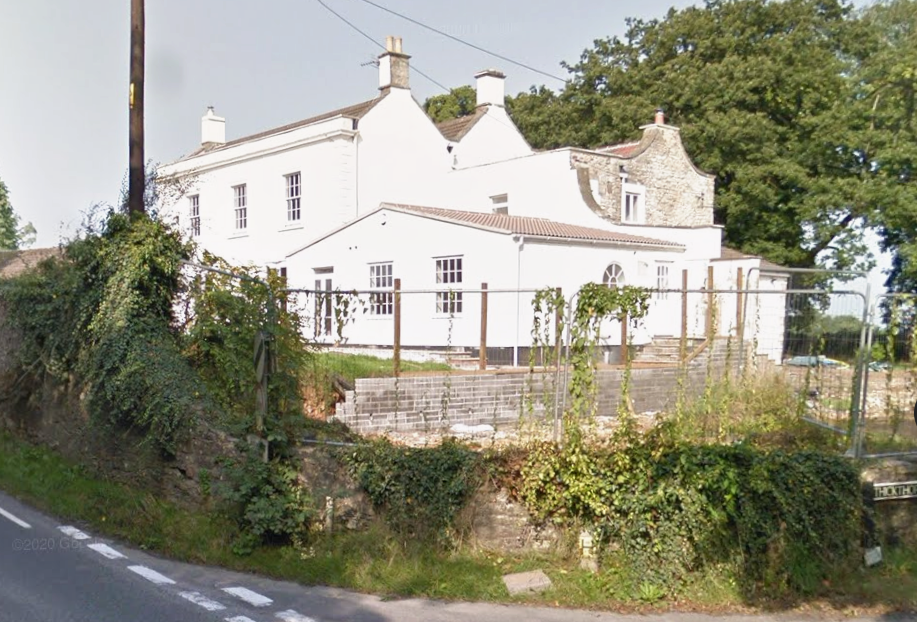
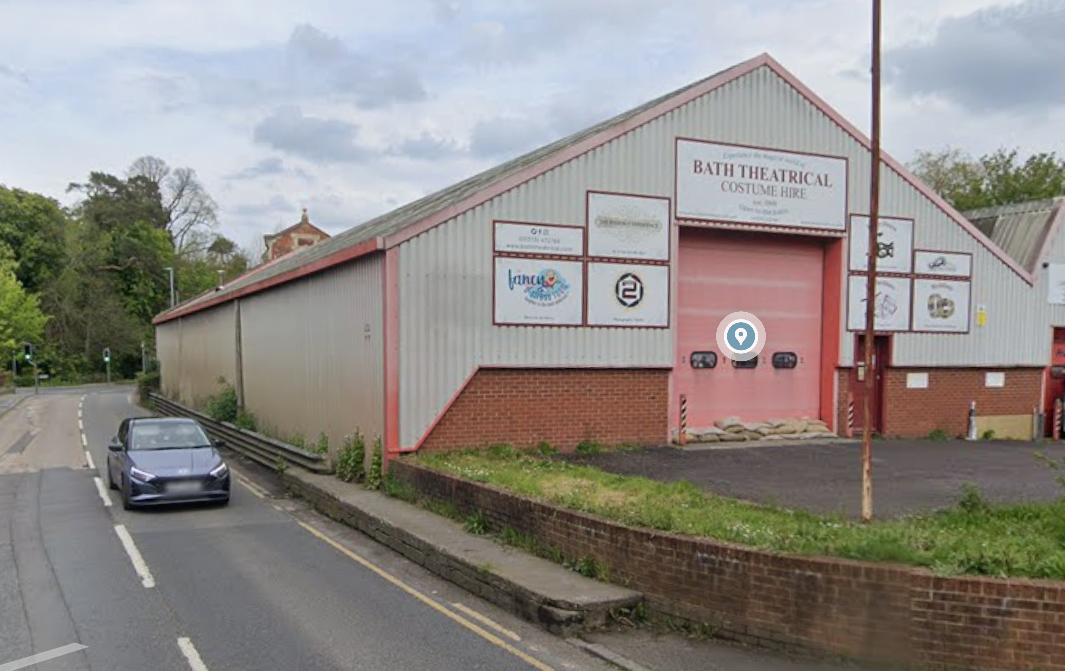
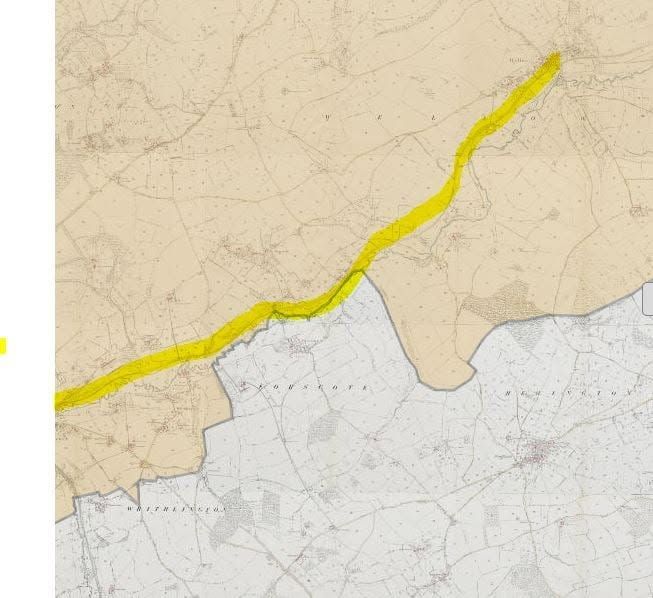
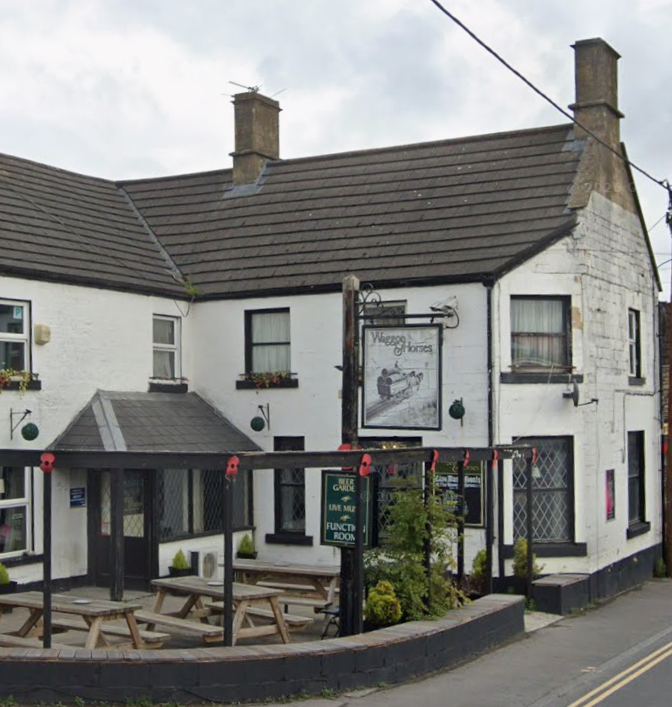
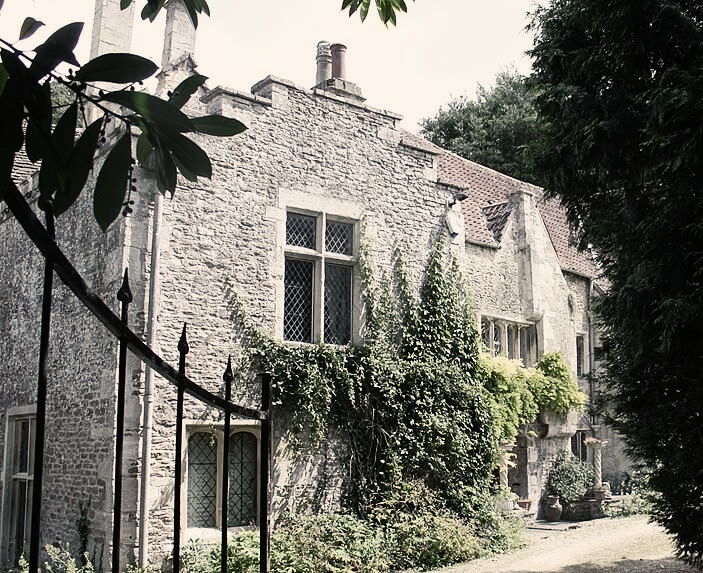
On the rise of Lynch Hill, between Emborough and Chilcompton, stands a house with a quiet presence and a surprisingly tangled identity. Today it is private accommodation, closed to the public and folded back into the landscape. But for decades it was known as The Court Hotel , a place whispered about for its resident ghost — a tall figure in old‑style judicial robes, said to be Judge George Jeffreys, the infamous “Hanging Judge” of the Bloody Assizes. It’s a story that has circulated for years. But when you trace the building’s history, the legend begins to unravel. Linch House: The Building Before the Myth Early maps from the 1800s list the property not as a court, nor as a hotel, but as Linch House . The name comes from the Old English hlinc, meaning a ridge or boundary terrace — a clue that the house stands on land shaped by centuries of agricultural use and early settlement. Somerset is full of “lynch” place‑names marking old field systems and medieval terraces, and Linch House fits neatly into that pattern. This tells us something important: the building began life as a private residence , not a judicial building. Its position on the ridge, overlooking the surrounding lanes, would have made it a desirable spot for a small manor or gentleman’s house. Nothing in its early naming or placement suggests any connection to legal proceedings, assize courts, or the machinery of 17th‑century justice. The 20th‑Century Reinvention: From Linch House to The Court By the time of the 1947 map, the house had adopted a new name: The Court. This kind of renaming was common in the late Victorian and early‑20th‑century period, when rural manor houses often took on grander titles to reflect status, aspiration, or simply fashion. “Court” was a popular choice — it sounded distinguished, landed, and steeped in heritage, even if the building had never hosted a single legal proceeding. This change is the hinge on which the later folklore swings. Once the house became The Court, it became easy — almost inevitable — for people to assume it had once been a court house. And once that assumption took hold, the next step was equally predictable: attaching the name of the West Country’s most notorious judge, George Jeffreys. Judge Jeffreys: A Legend Looking for a Home Jeffreys’ reputation during the Bloody Assizes of 1685 was so severe that his name has become a kind of folkloric shorthand for cruelty. Inns, manor houses, and old buildings across Somerset and Dorset have stories linking him to their walls, often without any historical evidence. In the case of Linch House — later The Court — there is no record of Jeffreys ever visiting the property. His documented circuit passed through Wells, Taunton, Exeter, Dorchester and Salisbury. Emborough and Chilcompton do not appear in any official accounts of the Assizes. The Jeffreys connection here is almost certainly a 20th‑century invention , born from the building’s new name rather than its past. But the haunting itself? That’s a different matter. The Haunting: A Figure on a Familiar Path Witnesses from the hotel era — both staff and guests — describe a tall figure dressed in old‑style clothing, interpreted as judicial robes. He appears in the hallway, walks through what was once the original front door (now sealed), crosses the garden with deliberate purpose, pauses beneath a massive oak tree, and fades away. Even when the apparition doesn’t appear, people have reported the sound of the old front door opening and closing — a door that no longer exists. It’s a quiet, looping haunting. No theatrics. No messages. Just a repeated moment, as though someone is still following a familiar route. And once you remove the Jeffreys myth, the figure becomes far more plausible: a former resident of Linch House, replaying a routine from long before the building was ever called The Court. A Residual Haunting, Not a Judicial One Residual hauntings — those that replay a moment like an echo — often reflect: habitual paths daily routines emotionally charged places long‑term residents The apparition’s behaviour fits this pattern perfectly. He walks a known route, pauses at a known spot, and disappears. Nothing about the haunting suggests a judge delivering verdicts or a figure tied to the Assizes. It feels domestic, not judicial. The “judge” interpretation likely came after the building was renamed The Court, colouring how witnesses described what they saw. What Stands There Today The Court Hotel has long since closed. The building is now believed to be private accommodation, likely converted into flats. The old signage is gone, the car park is quiet, and the house has returned to its original role as a private residence — much like it was when it was still Linch House. Whether the haunting continues is unknown. If the figure is a residual imprint, he may still walk his path regardless of who lives there. If he is something more conscious, perhaps the new residents have seen him — and simply chosen not to share it. A Legend Born From a Name In the end, the haunting of The Court is a story shaped as much by the building’s changing identity as by anything supernatural. A private house becomes The Court, a name invites a legend, and a ghost becomes tied to a judge who never set foot there. Strip away the myth, and what remains is still compelling: a quiet house on a ridge, a figure walking a familiar path, and a story that has grown and shifted with the building itself. Sometimes the truth is simpler. Sometimes the folklore is louder. And sometimes a haunting doesn’t need a famous judge — just a house with a long memory. Images - Google Streetview 2016 Maps - Know your Place - 1888 (Linch House) 1947 (The Court) Articles - British Newspaper Archives Created by Somerset Paranormal, with AI assistance for writing clarity. All research, structure, and content choices are my own. *UPDATE - On looking through the British Newspaper Archives I have found a few interesting things, Lynch House has been bought and sold quite a few times, as I have found a lot articles of it for sale in different years, it hasn't been in the hands of one family at all, it was let out in 1894, residents include FH Knight, who put in the telephones in 1933, also a Milicent Whitehouse died there in August 1893. There also seems to have been a fire which destroyed the original house in March 1872, see article, when it was the residence of Major Boyle, no one was injured. A Mr S Daniels owned it up to 1948, but it gets its first mention of being a guest house in 1946. Its earliest appearance in the newspapers I can see is in 1838, when it was owned by Mr Green. So to sum up, lots and lots of owners, a fire? just one death recorded, a female and no unusual or interesting events recorded.