Elder - A Tree of Spirits, Stories & Somerset Superstition
Elder A Tree of Spirits, Stories and Somerset Superstition.
Among the hedgerows of Somerset, the elder tree stands quietly — but never entirely innocently.
For centuries, elder has been treated with a curious mixture of respect, usefulness and superstition. Across Britain, it has been associated with healing, protection, witchcraft, spirits and death.
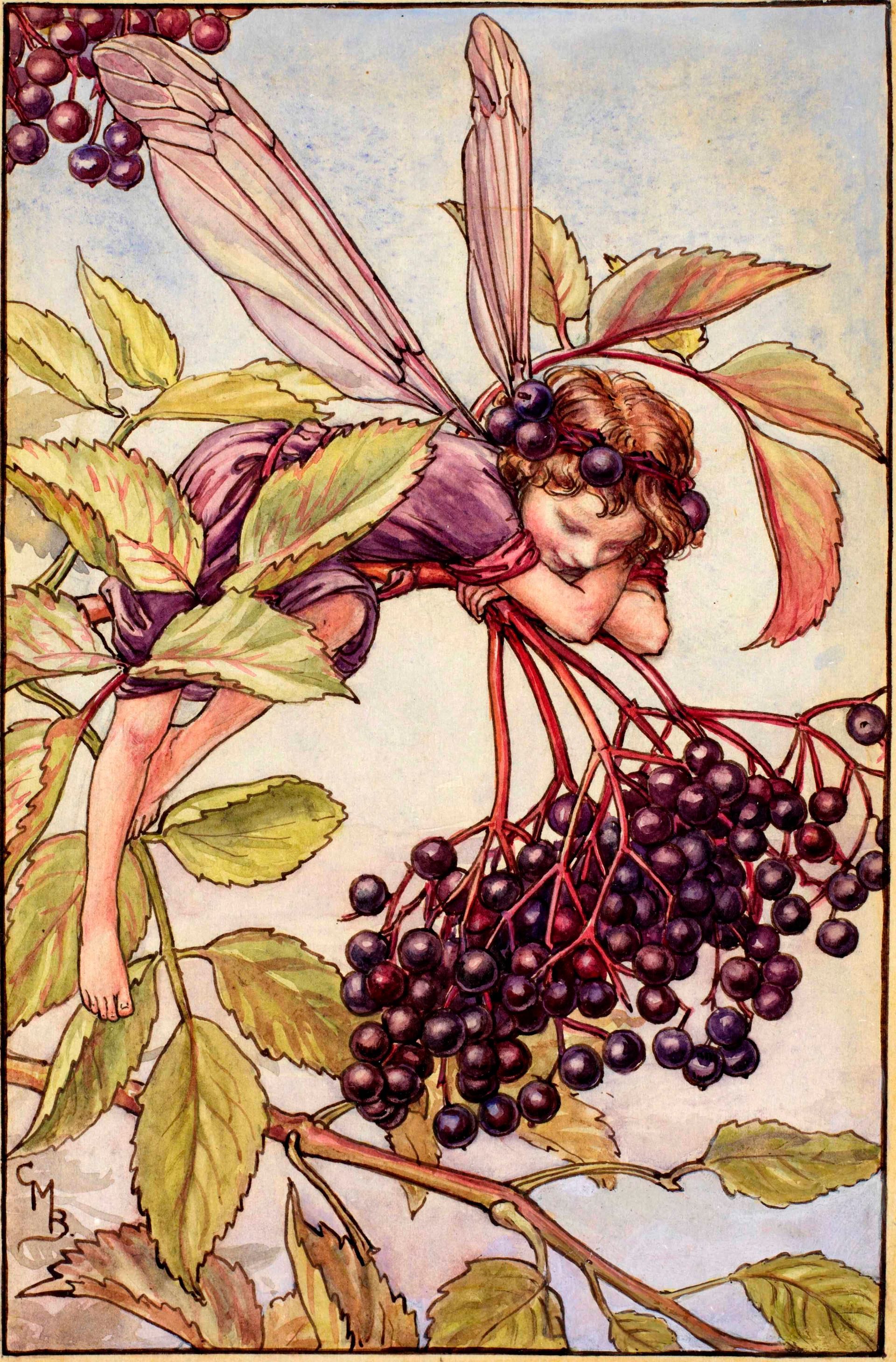
At the heart of much elder folklore is the belief that the tree is inhabited — or protected — by a female spirit known as the Elder Mother, the Old Lady or the Old Girl.
And in Somerset, elder has its own darker stories.
The Elder Mother: Spirit of the Tree
The Elder Mother was said to dwell within the elder tree and to take offence if her wood was cut without permission.
In some parts of England, anyone wishing to take a branch was expected to ask the tree's permission first. One traditional charm was:
“Old Woman, give me some of thy wood and I will give thee some of mine when I grow into a tree.”
The wording varies between traditions, but the meaning is the same: the tree was not to be treated as ordinary wood.
To take elder without permission could bring bad luck or illness, and stories were told of people who suffered misfortune after offending the spirit of the tree. The belief was strong enough that elder wood was sometimes avoided altogether for household objects.
The idea of the Elder Mother was not confined to Somerset. Similar traditions are found across Britain and Scandinavia, where the spirit was sometimes known by names such as the Danish Hyldemoer, or Elder Mother.
* A Witch in the Somerset Elder
Somerset has its own particularly strange elder-tree tale.
In the story, a farmer sees what appears to be an old woman — a witch — beneath or within an elder tree, and discovers that she has been secretly milking his cow.
He shoots at her with a silver bullet, but misses. The witch flees towards the farmhouse, where the farmer's grandmother takes matters into her own hands.
She picks up a burning coal from the fire and throws it at the elder tree.
The witch is killed.
It is a wonderfully Somerset kind of folktale: an ordinary rural setting, a familiar farmyard, and something distinctly supernatural hiding amongst the hedgerows.
The story is recorded as a Somerset folk-tale in discussions of the Elder Mother and elder-tree witch traditions.
* Never Burn Elder Wood
Elder also acquired a reputation as wood that was best left alone.
Across British folklore, burning elder could be considered unlucky, and stories warned of what might happen if the wood was brought into the home or put upon the fire.
The Elder Mother might follow the wood indoors, bringing trouble with her.
Other traditions said that the wood's popping and cracking in the fire was the sound of the spirit protesting.
There was also a practical reason for elder's unusual reputation: its hollow, soft wood was not especially desirable as ordinary firewood, while the tree itself was valued for food, medicine and numerous household uses.
So the warnings surrounding elder may have helped preserve a useful tree as much as they expressed supernatural fear.
*Witches, Protection and Magic
Elder has always had a distinctly double-sided reputation.
It could protect — but it could also punish.
In English folklore, elder was associated with protection from evil spirits, witches, lightning and other dangers. Elder branches or crosses were sometimes used around barns, houses and livestock.
At the same time, witches were believed in some traditions to be able to take the form of elder trees.
The tree therefore occupied an uneasy place in folklore: protector, healer, witch and spirit all at once.
An old English tradition even held that elder could protect against lightning, while carrying elder twigs could guard against certain ailments.
*Healing, Magic and the Elder Berry
For all its darker associations, elder was also one of the great useful plants of traditional rural life.
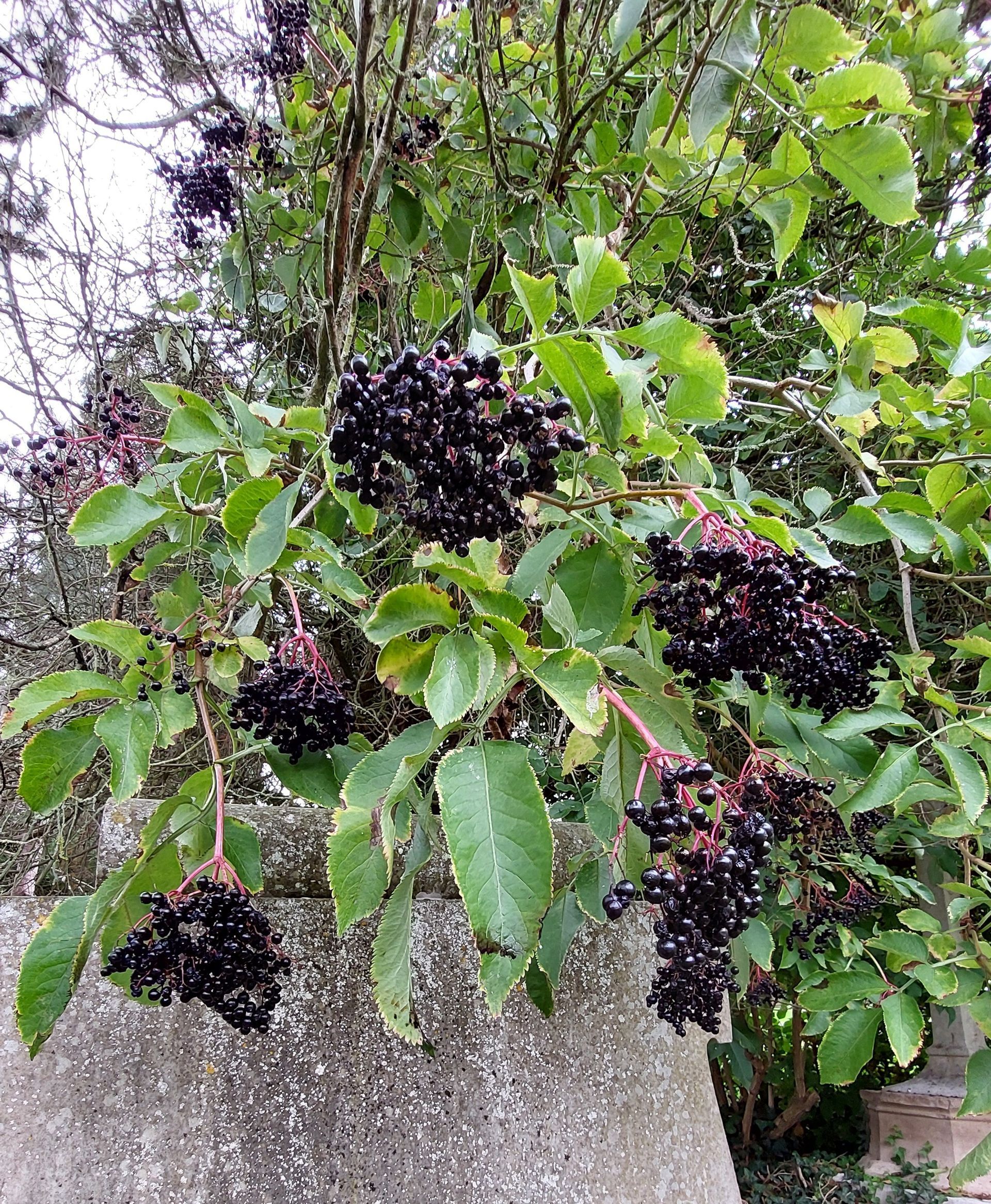
Its flowers and berries were gathered for food and medicine, and elder preparations appear throughout historical herbal traditions.
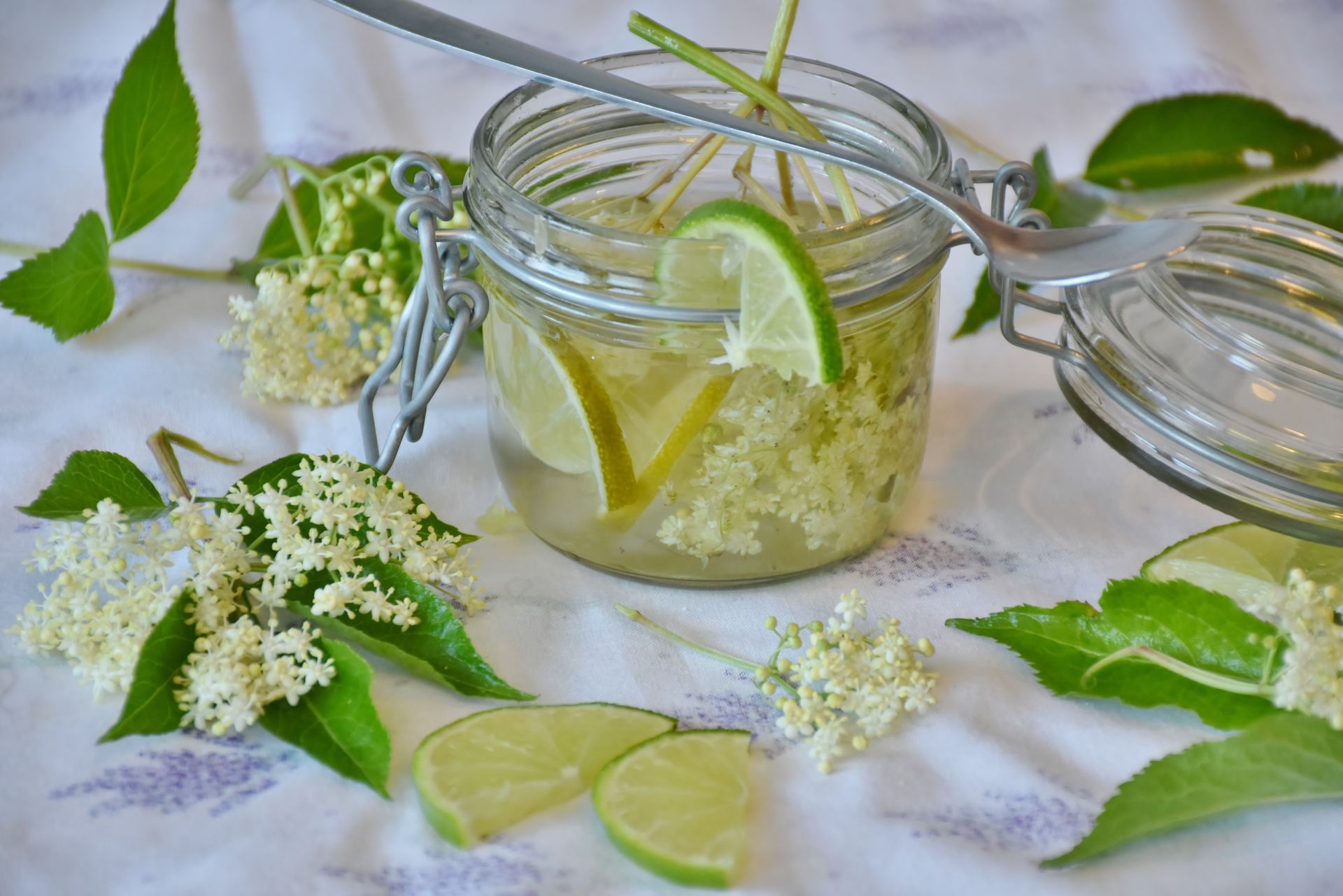
Elderflower was used in traditional remedies for fevers and other complaints, while elderberries were made into syrups, wines and other preparations.
This mixture of practical usefulness and supernatural reputation is perhaps what makes elder folklore so fascinating.
It was a tree that could feed you, heal you — and, according to the old stories, take offence if you treated it badly.
Kew notes the elder's long-standing reputation as both protector and avenger, with the Elder Mother said to curse those who harmed the tree.
*Death, Spirits and the Elder Tree
Elder's association with death is another recurring strand of its folklore.
The tree was connected with spirits, witches and the boundary between the living world and the supernatural. In some traditions, elder growing around places associated with the dead was seen as protective.
Its connection with both beginnings and endings has given elder an especially liminal character in folklore.
It belongs to the hedgerow, the cottage garden, the churchyard and the boundary — places where the ordinary world and the supernatural have traditionally been imagined to meet.
*A Tree of the Hedgerow
Perhaps this is why elder feels so at home in Somerset folklore.
It is not a grand ancient oak standing alone on a hill.
It is the tree beside the lane.
The tree growing through the hedge.
The white blossom beside the cottage.
The dark berries appearing at the end of summer.
The ordinary tree that, according to generations of rural stories, might contain something watching from within.
The folklore of elder is found throughout Britain, rather than belonging exclusively to Somerset.
But Somerset has contributed its own memorable stories — including the tale of the elder-tree witch — to a much wider tradition surrounding this curious and much-feared tree.
**Folklore Disclaimer
This piece explores traditional folklore, superstition and rural belief. Elder folklore varies considerably between regions and communities, and not every custom was practised everywhere.
The traditions described here belong to the wider folklore of Britain, with particular reference to West Country and Somerset material where this can be identified. They should be understood as folklore and oral tradition rather than established historical fact.
Folklore is cultural memory: a mixture of belief, superstition, storytelling and local tradition.
*Sources & Notes
This article draws on established British and European elder folklore, including:
Katharine Briggs, A Dictionary of Fairies
Charlotte Sophia Burne, Shropshire Folk-Lore
Christina Hole, English Folklore
Nicholas Culpeper, The Complete Herbal
Folklore Society collections and published folklore studies
Historical and botanical accounts of elder traditions
The Elder Mother, the custom of asking permission before cutting elder, the tree's associations with witches and spirits, and its medicinal uses are all well-established elements of elder folklore.
The Somerset elder-tree witch story is a particularly useful example of how these wider traditions became part of local West Country storytelling.
© Somerset Paranormal
Read more on my new Substack publication -
Somerset Hidden History, Mystery & Folklore | Penni Wallace | Substack
Images - flowerfairies. com, RitaE - Pixabay
Petals and Stone - Somerset