Jane Austen in Bath: Her Homes, Her Novels, and the Question of a Ghost
Born on 16 December 1775, Jane Austen remains one of England’s most beloved authors — yet her relationship with Bath was complicated.
She lived in the city for several years, drew inspiration from it, disliked it intensely, and ultimately left with a sense of relief. But with such a strong connection to the place, some wonder whether her spirit ever returned.
Jane Austen’s Bath Years (1801–1806)
When Jane Austen moved to Bath in 1801, the city was a fashionable spa resort, bustling with visitors seeking health, society, and entertainment.
Although she never warmed to the city, Bath became the backdrop for two of her six published novels: Northanger Abbey and Persuasion.
During her association with Bath — roughly six years — she lived in four different houses, each marking a chapter of her family’s shifting circumstances.
1799 – 13 Queen Square
Jane stayed here for a month with her mother during a summer visit.
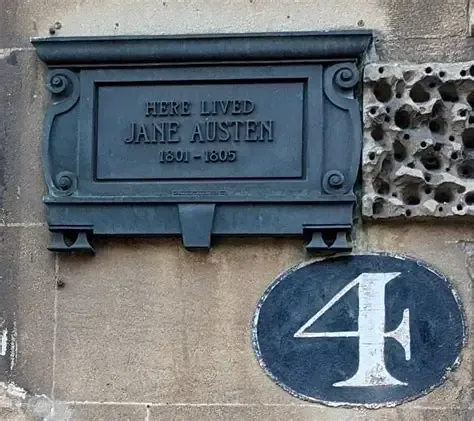
1801–1804 – 4 Sydney Place
After her father, Rev. George Austen, retired from his parish at Steventon, the family settled at 4 Sydney Place. A bronze plaque now marks it as Jane’s principal Bath residence.
1804–1805 – 27 Green Park Buildings
The Austen’s moved here on a short lease. It was in this house that Jane’s father died in January 1805.
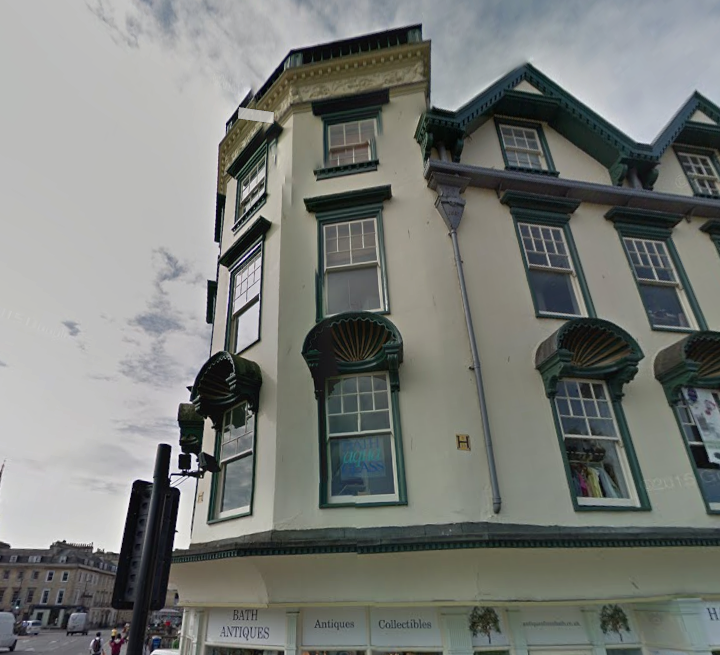
1805–1806 – 25 Gay Street
Jane, her mother, and her sister Cassandra relocated to Gay Street, close to what is now the Jane Austen Centre.
They remained only a little over a year before leaving Bath permanently.
By the summer of 1806, the family departed for Clifton, then Southampton, and finally Chawton, Hampshire, where Jane spent eight productive years before her death in 1817. She is buried in Winchester Cathedral.
Her Feelings About Bath
Despite Bath’s influence on her writing, Jane Austen never hid her dislike of living there.
After leaving, she wrote to her sister Cassandra:
“It will be two years tomorrow since we left Bath for Clifton, with what happy feelings of escape.”
Her novels echo this sentiment. In Northanger Abbey, Isabella Thorpe famously complains:
“I get so immoderately sick of Bath… we would not live here for millions.”
Yet Austen’s detailed observations of Bath society — its balls, promenades, gossip, and social rituals — are woven seamlessly into her fiction. Even if she disliked the city, she understood it intimately.
Did Jane Austen’s Ghost Ever Return?
With four Bath addresses tied to her life, and two novels rooted in its streets, it’s natural to wonder whether Jane Austen’s spirit lingers in the city she escaped from.
There are no confirmed sightings of her ghost in Bath — no documented hauntings at Queen Square, Sydney Place, Green Park Buildings, or Gay Street.
But the idea persists in local imagination. She may not have loved Bath, but her connection to it was undeniably strong.
The Jane Austen Festival — Bath Today
Bath’s relationship with Jane Austen has transformed dramatically since her lifetime.
Every September, the city hosts the Jane Austen Festival, one of the largest Regency celebrations in the world.
Thousands of visitors arrive in period dress, filling the streets with promenades, dances, readings, and theatrical events.
It’s a striking contrast: a city she once longed to escape now celebrates her with devotion.
If her spirit ever did wander back, she would find Bath transformed — not the fashionable spa she disliked, but a place where her legacy is cherished.
Perhaps that’s why the question remains open:
Did Jane Austen ever return to Bath in spirit?
Maybe… maybe not — but Bath shaped her life so deeply that the question remains an intriguing one.
It would certainly be interesting to know whether any of her former homes have ever reported unusual activity.
After all, dislike or not, Bath shaped her life — and her literature — in ways that lasted long after she left.
Created by P Wallace/Bath Paranormal, with AI assistance for writing clarity.
**All research, structure, and content choices are my own.
This piece draws on publicly available details and historical references.**